

Grape Hyacinth Bulbs (Muscari) - Latifolium
Grape Hyacinth Bulbs (Muscari) - Latifolium
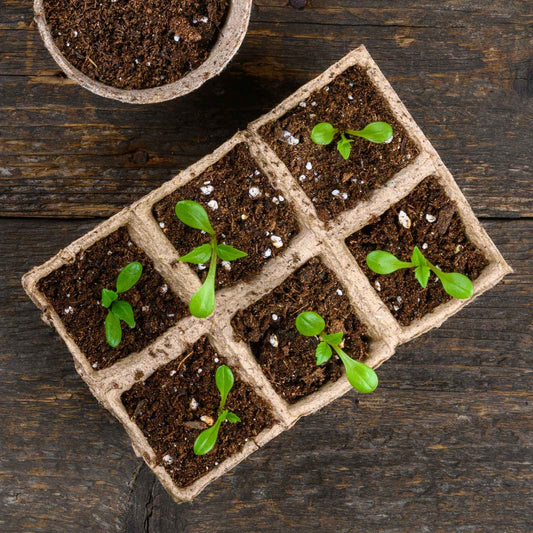
 Biodegradable Seed Starting Pots
Couldn't load pickup availability
100 in stock
View full details

About the Variety
Key Features
-
 Attracts Bees
-
 Attracts Butterflies
-
 Attracts Pollinators
-
 Easy to Grow & Maintain
-
 Fast Growing


Plant Details
- Life Cycle
- Perennial
- Light Requirement
- Full Sun, Partial Shade
- Growth Habit
- Clumping
- Plant Height
- Varies
- Plant Type
- Muscari
- Color
- Blue
- Hardiness Zones
- 3, 4, 5, 6, 7, 8
- Water Needs
- Low
- Bloom Season
- Spring through Late Spring
- Plant Spacing
- 10 bulbs per sq. foot
Description
Grape Hyacinth Bulbs (Muscari) - Latifolium
Meaning "broad leaved" the Muscari Latifolium is a unique member of the Grape Hyacinth clan, with its familiar clusters of bell shaped flowers, Latifolium offers a unique ombre pattern of color on a single bloom.

Product Quality Support
We stand behind accurate product identity and suitable condition on arrival. If an item arrives damaged, incorrect, or unsuitable for its intended season, contact support within 30 days of delivery with your order details and clear photos. We will review the information and confirm the available resolution.
Gardening Tools
-
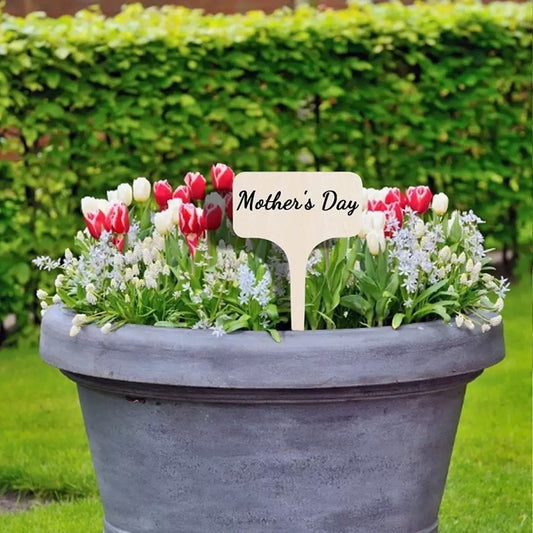
Garden Plant Labels
Regular price $4.99 USDRegular price -
Biodegradable Seed Starting Trays
Regular price $7.99 USDRegular price -
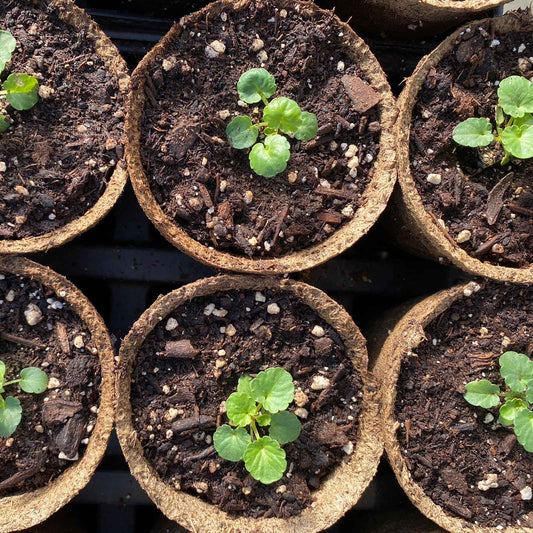
Biodegradable Seed Starting Pots
Regular price $8.49 USDRegular price -
Bamboo Plant Labels
Regular price $5.99 USDRegular price




Frequently Asked Questions
What size and quality can I expect?
Bulb size and seed quantity vary by variety and package option. The available size, weight, or count is shown on each product listing. If an item arrives damaged, incorrect, or unsuitable for its intended season, contact support within 30 days of delivery so we can review the issue.
When should I plant?
Timing depends on what you're growing and your USDA hardiness zone. Spring-planted bulbs (like dahlias) go in after your last frost date, while fall-planted bulbs (tulips, daffodils, lilies, crocosmia) go in 2–6 weeks before the ground freezes. Most flower and vegetable seeds are sown after your last frost date, while many wildflower and perennial seeds can also be direct-sown in fall or early spring. Check each product's planting season and hardiness zone details for variety-specific guidance, or find your zone at planthardiness.ars.usda.gov.
How many seeds are in a packet, ounce, or pound?
Seed count varies a lot by variety, since seed size differs — a packet of large seeds (like beans) holds far fewer than a packet of tiny seeds (like poppies). Each product page shows the exact packet, ounce, or pound options available for that variety.
How should I store unused seeds?
Keep unused seeds in a cool, dry, dark place, ideally in a sealed, airtight container. Storing them in the refrigerator (not the freezer) helps preserve viability for the longest shelf life. Most flower and vegetable seeds stay viable for 2–5 years when stored this way, though germination rates naturally decline over time.
How long does shipping take?
In-stock seeds, mixes, and supplies generally require 2–4 business days for handling. Preordered bulbs, tubers, and roots ship according to the destination climate and planting season. The available shipping rate and delivery estimate are shown at checkout, and tracking is emailed when available.
Do you offer wholesale or bulk pricing?
Business and bulk-order options may be available for eligible products and destinations. Contact support with the product list, quantities, destination, and business information to request current availability and terms. Any approved pricing and payment terms will be confirmed in writing before purchase.
Do you ship internationally?
Available destinations depend on the product and applicable agricultural restrictions. Enter the delivery address at checkout to see whether shipping is available and to review the applicable rate before purchase.
Can I combine multiple discount codes?
Only one discount code can be applied per order. If you have more than one code, use whichever gives you the best savings at checkout.
Can I place an order by phone or email?
We don't take orders by phone, but we're happy to help by email — send your list of items to support@nuviaseed.com and we'll send you a checkout link. Once you confirm everything looks right, you can complete payment and we'll get your order on its way.
Any Other Questions?
Our support team is here to help.


