

Root Vegetable Garden Seed Collection - 5 Packets
Root Vegetable Garden Seed Collection - 5 Packets
 Biodegradable Seed Starting Pots
Couldn't load pickup availability
100 in stock
View full details
About the Variety
Key Features
Description
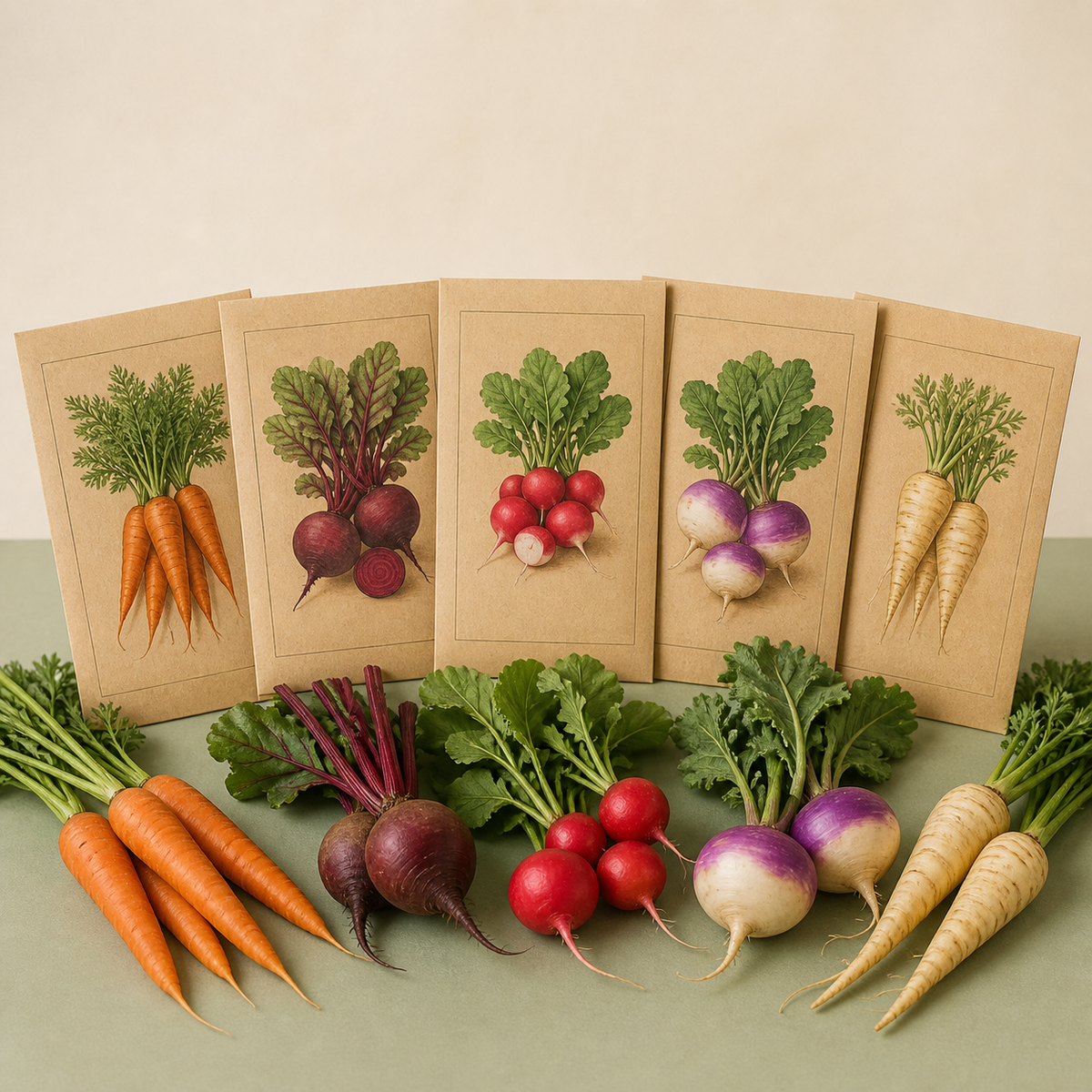
Plant a varied root garden with five dependable varieties for roasting, salads, storage and cool-season harvests.
Included seed packets
- Organic Danvers Carrot
- Organic Detroit Dark Red Beet
- Organic Cherry Belle Radish
- Organic Purple Top Turnip
- Hollow Crown Parsnip
Includes one standard seed packet of each variety, five packets total. Four varieties are organic; Hollow Crown Parsnip is conventionally produced. Packet quantities are shown on the individual seed packet labels.

Ready to Grow
We guarantee that our seeds and bulbs will be true to type and ready to thrive. If something doesn't grow as expected, we will make it right.

Gardening Tools
-
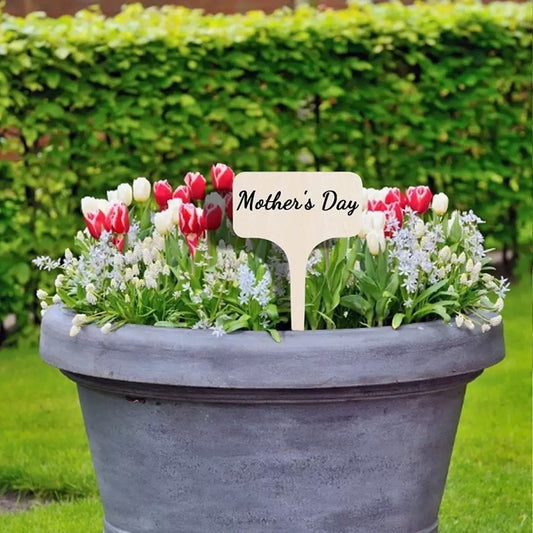
Garden Plant Labels
Regular price $4.99 USDRegular price -
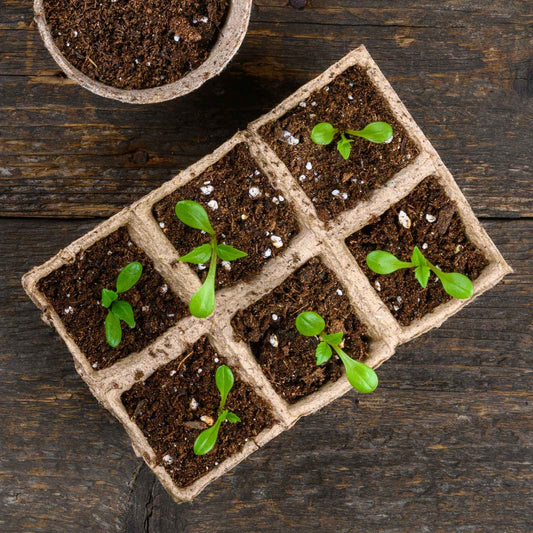
Biodegradable Seed Starting Trays
Regular price $7.99 USDRegular price -
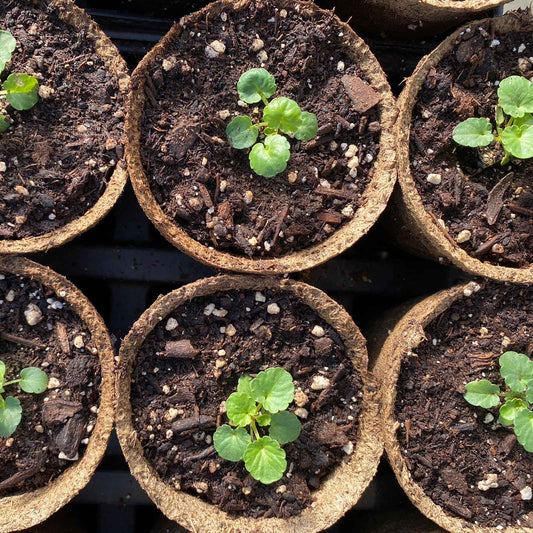
Biodegradable Seed Starting Pots
Regular price $8.49 USDRegular price -
Bamboo Plant Labels
Regular price $5.99 USDRegular price




Frequently Asked Questions
What size and quality can I expect?
Bulbs ship as top-size, commercial growing-grade stock — the same caliber professional growers use — with exact sizing varying by variety (tulips, daffodils, lilies, dahlias, and crocosmia are each graded to their own standard). Seeds are packaged by weight or count as shown on each listing. Every order is backed by our Ready to Grow guarantee: if something doesn't grow as expected, we'll make it right.
When should I plant?
Timing depends on what you're growing and your USDA hardiness zone. Spring-planted bulbs (like dahlias) go in after your last frost date, while fall-planted bulbs (tulips, daffodils, lilies, crocosmia) go in 2–6 weeks before the ground freezes. Most flower and vegetable seeds are sown after your last frost date, while many wildflower and perennial seeds can also be direct-sown in fall or early spring. Check each product's planting season and hardiness zone details for variety-specific guidance, or find your zone at planthardiness.ars.usda.gov.
How many seeds are in a packet, ounce, or pound?
Seed count varies a lot by variety, since seed size differs — a packet of large seeds (like beans) holds far fewer than a packet of tiny seeds (like poppies). Each product page shows the exact packet, ounce, or pound options available for that variety.
How should I store unused seeds?
Keep unused seeds in a cool, dry, dark place, ideally in a sealed, airtight container. Storing them in the refrigerator (not the freezer) helps preserve viability for the longest shelf life. Most flower and vegetable seeds stay viable for 2–5 years when stored this way, though germination rates naturally decline over time.
How long does shipping take?
Orders ship within 12–15 business days. You'll receive a shipping confirmation with tracking information as soon as your order is on its way.
Do you offer wholesale or bulk pricing?
Yes — we offer wholesale pricing for nurseries, garden centers, landscapers, event planners, and resellers. Orders of $250+ qualify for 10% off, $500+ for 15% off, and $1000+ for 20% off. To apply, reach out through our Contact page with your business information and resale certificate. Standard orders are prepaid; established accounts may qualify for NET 30 terms. Products may be resold in their original packaging — repackaging or rebranding under your own label requires written approval.
Do you ship internationally?
We currently ship to the United States and Europe. We're not yet able to ship to other regions, but we're working on expanding — check back for updates.
Can I combine multiple discount codes?
Only one discount code can be applied per order. If you have more than one code, use whichever gives you the best savings at checkout.
Can I place an order by phone or email?
We don't take orders by phone, but we're happy to help by email — send your list of items to support@nuviaseed.com and we'll send you a checkout link. Once you confirm everything looks right, you can complete payment and we'll get your order on its way.
Any Other Questions?
Our support team is here to help.


